






• Combo Subscription
  • Contact Us
  • Login
  • Register
  • 8 ITEMS
     
      • The all-new 2026 Hobby Farm Home annual is now available!

      • $9.99
      • best of hobby farms
      • Best of Hobby Farms 2025 is now available

      • $14.99
      • All 3 Laminated Poultry Guides

      • $29.97
      • chicken and duck breeds print
      • Chicken and Duck Breeds

      • $9.99
      • bordedom busters for chickens guide
      • Bordedom Busters For Chickens Guide

      • $9.99
      • chicken health from a to z
      • Chicken Health from A to Z

      • $9.99
      • Get all latest four Chick Days publications today

      • $29.95
      • backyard chickens print
      • 2025 Backyard Chickens annual today

      • $9.99
  • facebook
  • twitter
  • instagram
  • youtube

Poultry Profile: Get to Know the Manx Rumpy

The unusually named Manx Rumpy has free-range foraging abilities. This dual-purpose bird can be raised for laying four colors of eggs.

article-post
by Chickens Magazine HQ

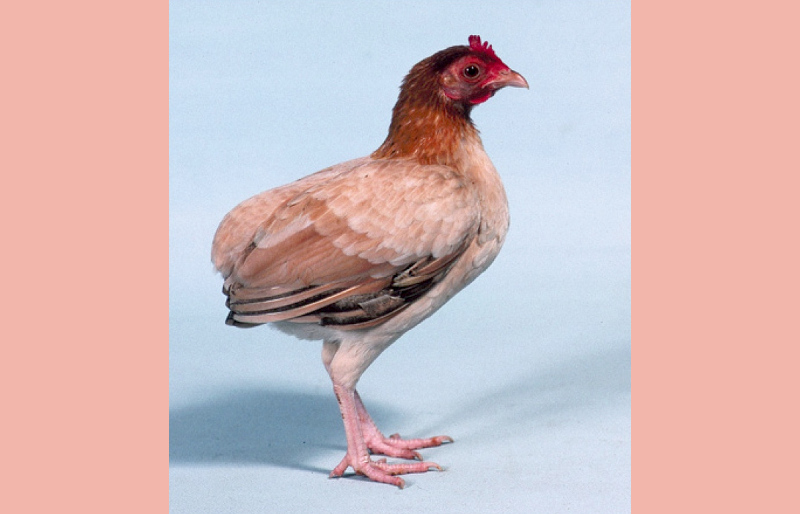
The Manx Rumpy earned its peculiar name from a farmer who saw a resemblance between this chicken breed and the Manx cat breed, both of which are tailless. Like the Araucana, the Manx Rumpy doesn’t have the final vertebrae needed to hold its tail feathers upright.

Rumpies are known for their vigorous free-range foraging abilities and are dual-purpose birds, which can be raised for laying medium-size, tinted (white, blue or green) or brown eggs.

Their wattles and earlobes are bright red, though the earlobes sometimes have a white center, too.
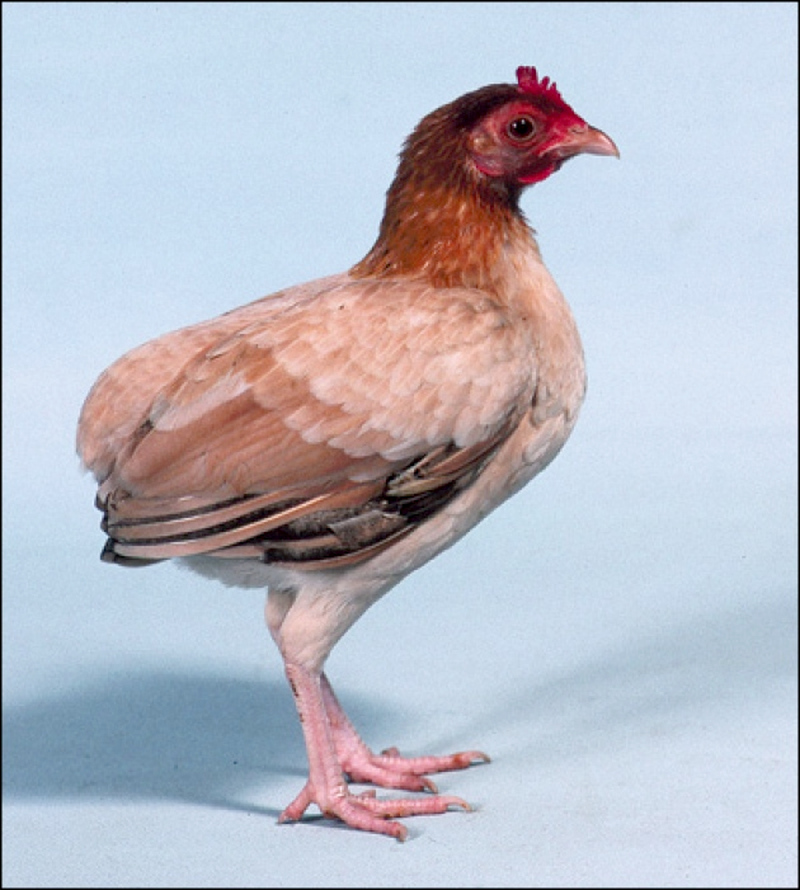
manx rumpy

This breed’s plumage color varies, as does comb type; however, small and single combs are the most common.

The Manx Rumpy hails from the Persian Gulf region, where it received its original name, Persian Rumpless. Very little is known about when it arrived in North America, where breeders have worked to restore this useful breed.

Subscribe now

The Manx Rumpy is not currently listed in the American Poultry Association’s Standard of Perfection.

This story originally appeared in the July/August 2017 issue of Chickens.

Leave a Reply

Your email address will not be published. Required fields are marked *

CAPTCHA Image